










Contact Us
- This site is protected by reCAPTCHA
Our Services
Some insulation just sits there. Spray foam goes to work the second it hits the surface, expanding to fill gaps, cracks, and corners where heat and air like to sneak through. At Energy Attic, we install spray foam insulation for Richardson homeowners and businesses who want a tighter, more comfortable building and lower energy bills.
What Is Spray Foam Insulation and How Does It Work?
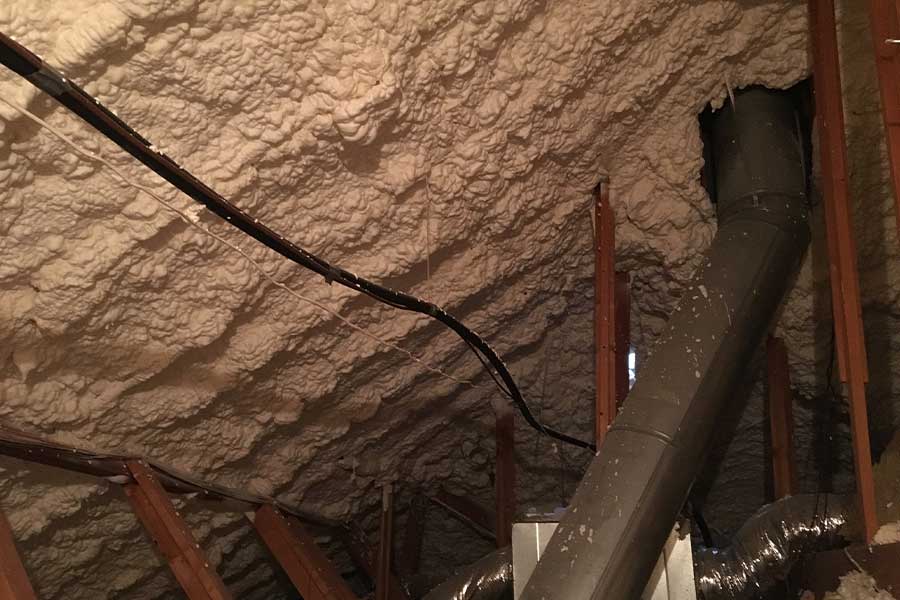
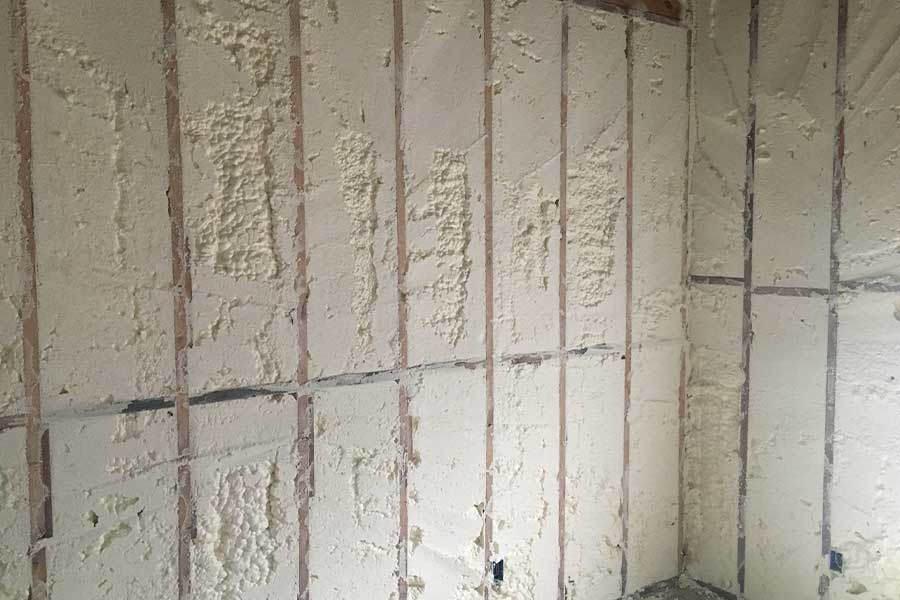
Spray foam insulation starts as a liquid that’s sprayed onto surfaces like attic roof decks, walls, and rim joists. Within moments, it expands and hardens into a foam that sticks right where it lands. As it grows, it pushes into small openings that other types of insulation can’t reach.
That expansion is what makes spray foam different. Instead of just slowing heat, it also creates an air seal. Hot summer air, cold winter drafts, and outdoor humidity have a much harder time getting through.
In Richardson attics, spray foam is often applied to the underside of the roof deck. This keeps much of the heat from ever reaching your attic space. The result is a cooler attic in summer, a warmer one in winter, and less work for your heating and cooling system.
Open-Cell vs. Closed-Cell Spray Foam Insulation
There are two main types of spray foam, and each one has its strengths. The right choice depends on where it’s going and what your home needs.
Open-Cell Spray Foam
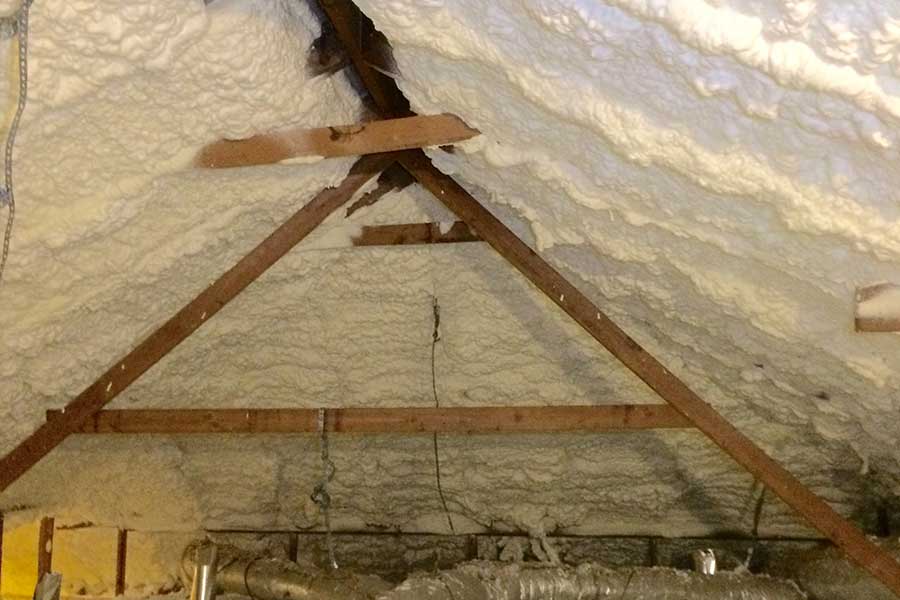
Open-cell foam is lighter and softer, with tiny cells that aren’t completely closed. It expands a lot when it’s applied, which makes it great for filling large cavities and irregular spaces. It’s also known for helping dampen sound between rooms and floors.
Open-cell foam is typically the more budget-friendly option. It’s a popular choice for attic roof decks and interior walls where moisture isn’t a major concern.
Closed-Cell Spray Foam
Closed-cell foam is denser and more rigid, with cells that are fully closed. It provides more insulating power per inch than open-cell foam. It also resists moisture and can add some strength to the surfaces it’s applied to.
Closed-cell foam is a strong choice for areas exposed to moisture or where space is tight. It usually costs more, but it packs a lot of performance into a thinner layer. During your free attic health exam, we’ll help you decide which type makes the most sense for your home.
Benefits of Spray Foam Insulation
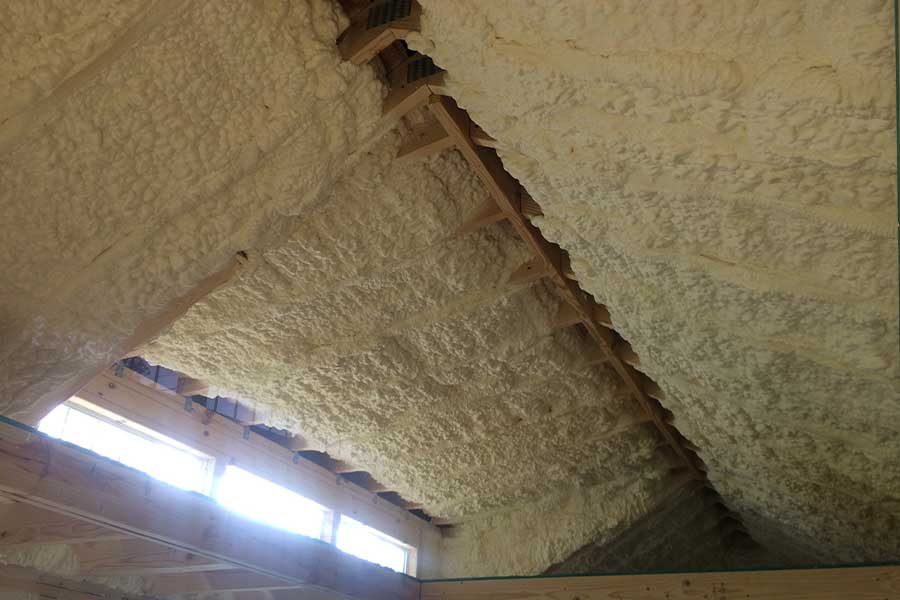
The biggest benefit is how well spray foam seals your home. By filling gaps and cracks as it insulates, it cuts down on drafts and air leaks. Your rooms stay at a more even temperature, and your HVAC system doesn’t have to run as often to keep up.
That tighter seal can mean real energy savings. When less heat moves in during summer and less warm air escapes in winter, your monthly bills can drop. For Richardson homeowners dealing with long, hot summers, that relief can be noticeable.
Spray foam also helps with indoor air quality. Sealing out gaps reduces the amount of dust, pollen, and outdoor pollutants that slip inside. Fewer leaks also mean less humid outdoor air working its way in, which helps keep things fresher and less musty.
Durability is another plus. Spray foam doesn’t settle, sag, or compress the way some loose materials can over time. Once it’s in place, it holds its shape and keeps working.
Our Spray Foam Insulation Installation Process
Every project starts with a free attic health exam. We inspect your attic, check your current insulation, look for moisture or pest problems, and identify air leaks. Then we walk you through what we found and recommend the best approach, whether that’s spray foam or another solution that better fits your home and budget.
If old or damaged insulation needs to come out first, we remove it and clear the space. Before spraying, we protect surrounding areas and prepare the surfaces so the foam bonds properly. We’ll also let you know ahead of time how long your family should stay out of the area during installation and curing.
Our crew then applies the spray foam evenly, building it up to the right thickness for the space. We pay close attention to edges, corners, and penetrations around pipes and wiring, since those are common leak points.
Once the foam has cured, we clean up the work area and do a final walkthrough with you. You’ll see the finished job and get answers to any questions before we pack up.
Why Choose Energy Attic
We’re a family-owned team that believes a comfortable home starts at the top. Here’s what Richardson homeowners can count on:
- Free attic health exam
- Honest product recommendations
- Complete system, not quick fixes
- ENERGY STAR-qualified products
- 8-out-of-5-star rating
- 10+-year Good Contractors List partner
- $25,000 per-job guarantee
- Clean, respectful crews
- Service for homes and businesses
- Flexible financing with approved credit
Ready to seal out the Texas heat? Call Energy Attic today to schedule your free attic health exam in Richardson, TX.
Frequently Asked Questions
Is spray foam better than blown-in insulation?
It depends on your home. Spray foam seals air leaks while it insulates, but blown-in insulation can be a great fit for many attics. We’ll recommend the best option after your exam.
Do I need to leave my home during installation?
You’ll need to stay out of the work area during installation and curing. We’ll give you clear guidance before the job starts.
Can spray foam go over existing insulation?
Usually not. Old insulation often needs to be removed first so the foam can bond properly to the surface.
Does spray foam help with humidity?
Yes. By sealing air leaks, spray foam helps keep humid outdoor air from working its way into your home.
Is financing available for spray foam insulation?
Yes, special financing is available with approved credit, so you can start saving on energy costs right away.