










Contact Us
- This site is protected by reCAPTCHA
Fast, Reliable Furnace Repair in Plano, TX
A large share of Plano’s neighborhoods went up during the building boom of the 1980s and 1990s, and many of those homes are now on their second or even third furnace. Others still rely on equipment and ductwork that have outlived what they were designed for. When a cold front sweeps across Collin County, those aging systems are usually the first to give out.
Energy Attic repairs gas and electric furnaces across Plano, from established streets east of US-75 to the larger two-story homes out west. We find the actual cause of the problem, explain it clearly, and fix it so your home stays comfortable for the rest of the season.
Warning Signs Your Plano Furnace Is Struggling
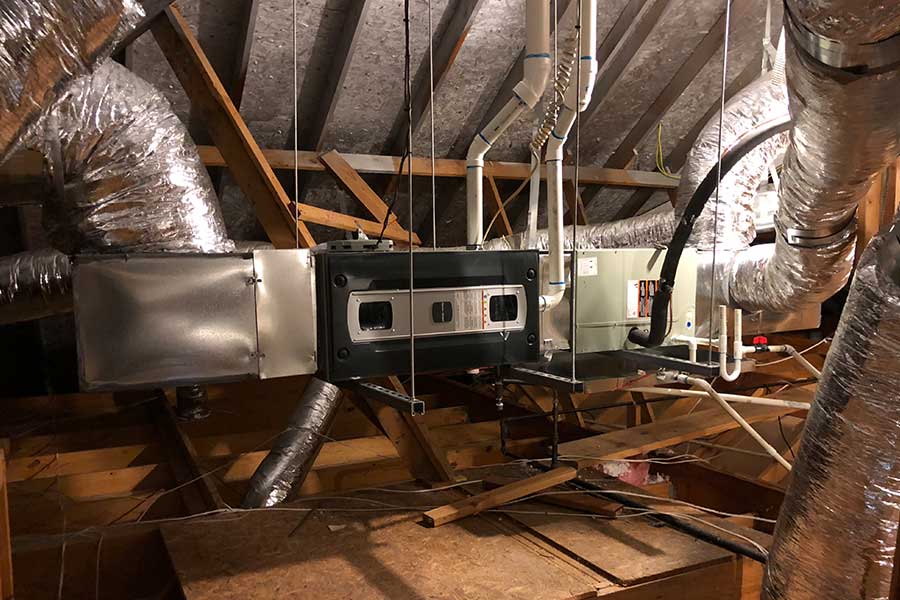
In a two-story Plano home, the first clue is often a temperature gap between floors. If the upstairs bedrooms stay chilly while the living room feels fine, the furnace may be short on airflow, a damper may be stuck, or a duct in the attic may have come loose.
Sounds tell you a lot too. A rumble or boom when the burners light, a high-pitched whine from the blower, or a furnace that starts and stops every few minutes all point to parts that need attention before they fail outright.
Finally, keep an eye on your thermostat and your utility bill. When the system runs longer than it used to without reaching the set temperature, or your winter bills creep up year after year, wear and tear is costing you money. A repair visit now is usually simpler than a no-heat emergency on the coldest night of the year.
Furnace Problems Plano Homeowners Run Into Most
Furnaces and ductwork from Plano’s building boom are now well into their later years, and certain problems show up again and again. These are the repairs we handle most often in Plano homes.
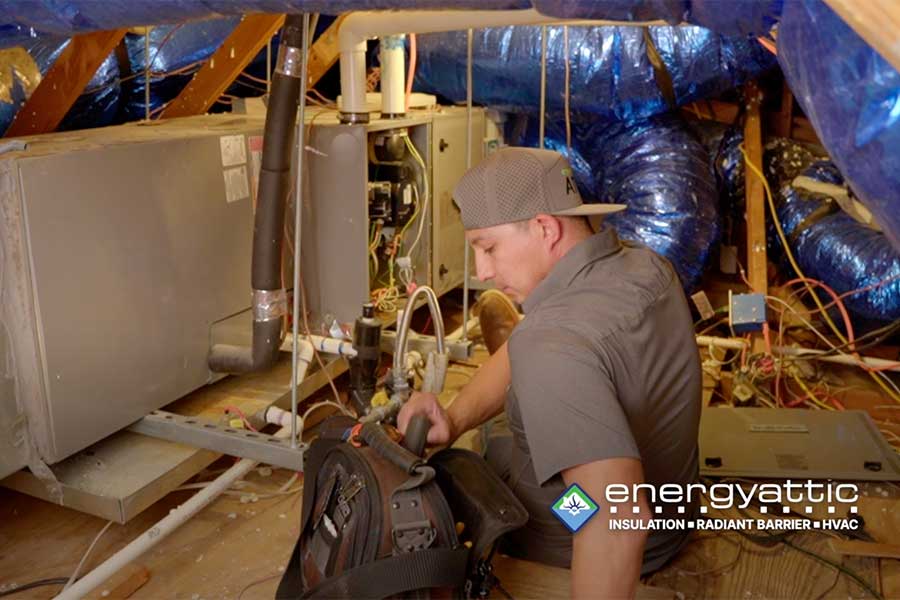
- Worn blower motors and capacitors that strain to push air through long duct runs to upstairs rooms
- Cracked or deteriorated flex duct in attics that has been through decades of North Texas summers
- Failed ignitors and dirty flame sensors that keep burners from staying lit
- Thermostat and zoning control problems in homes with more than one system
- Rusted or disconnected venting on older gas furnaces
Many of these issues develop slowly, which is why a furnace can seem fine one week and refuse to run the next. Catching them early protects both your comfort and the rest of your system.
How Our Technicians Get Your Heat Back On
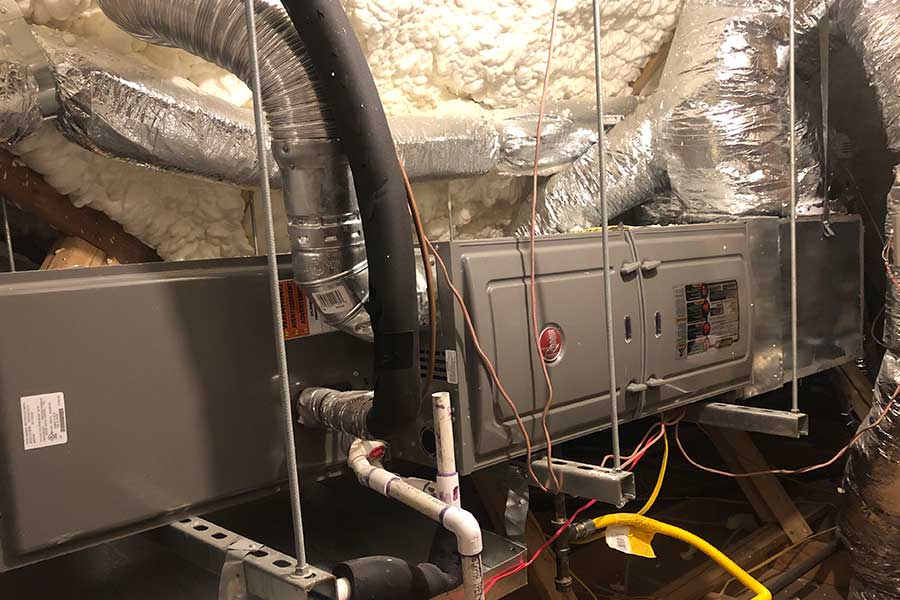
Plenty of Plano homes have two heating systems, one for each floor, and a problem with one often shows up as overwork in the other. When we arrive, we start with the system you called about, then look at how it interacts with the rest of the home so the repair actually solves the comfort issue.
Our furnace repairs cover ignition and flame sensing, blower and inducer motors, control boards, limit and pressure switches, thermostats, and duct connections at the unit. Every visit includes a safety check of the venting and heat exchanger. Because Energy Attic also specializes in attic insulation, our technicians pay attention to how the attic around your furnace affects heat loss and can point out problems you may not know about.
You will get a clear explanation of the repair and your options before any work starts.
A Cold Upstairs Fix in Deerfield
Michael and his family live in a two-story home in Deerfield, and for most of the winter the kids’ bedrooms upstairs had been noticeably colder than the rest of the house. When a freezing night made the problem impossible to ignore, he gave us a call.
Our technician started with the furnace serving the second floor and found a weak blower capacitor that was keeping the motor from reaching full speed. In the attic, he also traced a flex duct to one bedroom that had collapsed where it bent around a framing member. He replaced the capacitor, rerouted and reconnected the damaged duct, and measured airflow at the upstairs vents before and after.
By that evening, the upstairs rooms were holding temperature with the rest of the house, and the furnace was no longer running nonstop to keep up.
Why Plano Homeowners Call Energy Attic
When your furnace is a couple of decades old, you need a team that will tell you the truth about whether a repair is worth it. Energy Attic gives Plano homeowners straight answers, clear explanations, and options that fit the age and condition of their system.
We understand how Plano homes are put together, from long duct runs feeding second floors to attic installs that endure brutal summer heat. That experience helps us diagnose problems accurately and repair them properly.
Reach out to Energy Attic to schedule furnace repair in Plano and get your whole home warm again.
Frequently Asked Questions
Why is my upstairs colder than my downstairs in winter?
In many two-story Plano homes, upstairs rooms sit at the end of long duct runs through the attic. A weak blower, leaking or collapsed ducts, closed dampers, or thin attic insulation can all keep enough warm air from reaching those rooms. A technician can measure airflow and pinpoint which factor is to blame.
How long does a furnace usually last?
Many furnaces last somewhere in the range of 15 to 20 years with regular maintenance, though attic installs in North Texas can wear faster because of summer heat. Age alone does not mean a furnace needs replacing, but it does mean repairs should be weighed against the system’s overall condition.
What does a furnace safety check include?
A safety check looks at the parts that protect your home, including the heat exchanger, venting, gas connections, flame quality, and safety switches. Our technicians also test for carbon monoxide so you can feel confident the system is operating safely.
Can I set my upstairs and downstairs systems to different temperatures?
Yes. Many homeowners lower the temperature on the floor they use less, such as keeping the upstairs cooler during the day. Avoid very large differences between floors, since that can make the system serving the warmer floor work harder than it needs to.
Why does my furnace keep turning on and off?
Frequent short cycles usually point to a dirty filter, a failing flame sensor, an overheating furnace tripping its limit switch, or a thermostat issue. Short cycling wears parts out faster, so it is worth having a technician find the cause.