










Contact Us
- This site is protected by reCAPTCHA
AC Repair in Dallas, TX That Keeps You Cool
In Dallas, air conditioning season does not wait for June. Warm spells can show up in March, triple-digit afternoons are common through the heart of summer, and in many years the cooling load stretches well into October. That is a long stretch of hard work for any system, and when an AC quits in the middle of it, a house can heat up fast.
Energy Attic repairs central air conditioning systems across Dallas, from older homes in Oak Cliff and East Dallas to newer construction in the northern neighborhoods. We diagnose the problem, explain your options, and focus on getting cool air moving again.
Air Conditioning Repairs We Handle Every Day
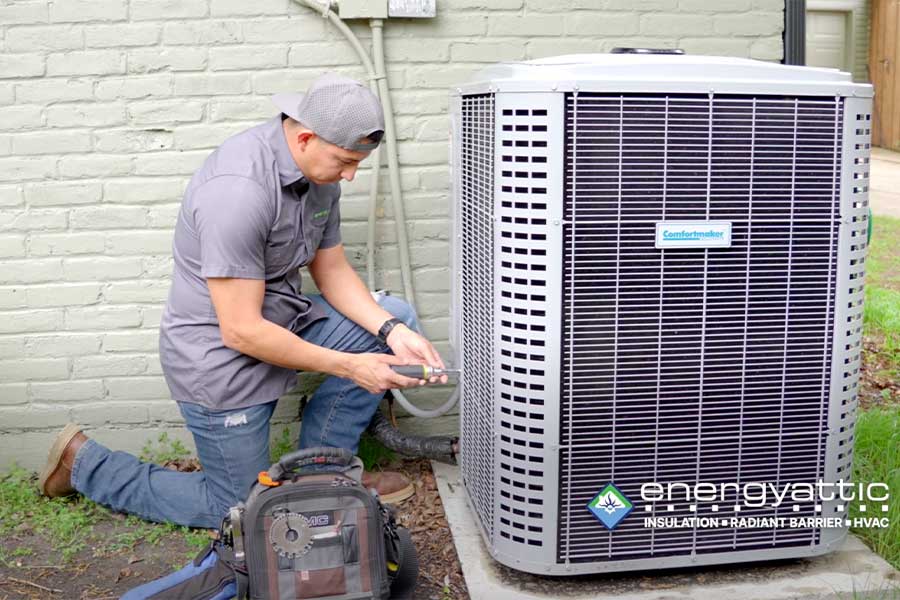
An AC system has two halves, and in most Dallas homes they live in very different conditions. The condenser sits outside, exposed to sun, hail, and cottonwood fluff, while the evaporator coil and air handler usually share the attic with temperatures that climb far above what you feel on the patio. Our repairs cover both sides of the system.
- Capacitor, contactor, and condenser fan motor replacement
- Compressor diagnosis and electrical troubleshooting
- Refrigerant leak detection and repair
- Evaporator and condenser coil cleaning
- Clogged condensate drain lines and overflow switch repairs
- Blower motor and thermostat repairs
Every repair starts with a full diagnostic, so you know exactly what failed and why before any work begins. If attic heat or thin insulation is making your system work harder than it should, we will point that out too, since attic insulation is one of our specialties.
When Your Dallas AC Is Asking for Help
The best time to judge your air conditioner in Dallas is late afternoon, after the sun has been beating on the house all day. If the indoor temperature keeps climbing past your thermostat setting by four or five o’clock, or the system runs nonstop without catching up, it is struggling.
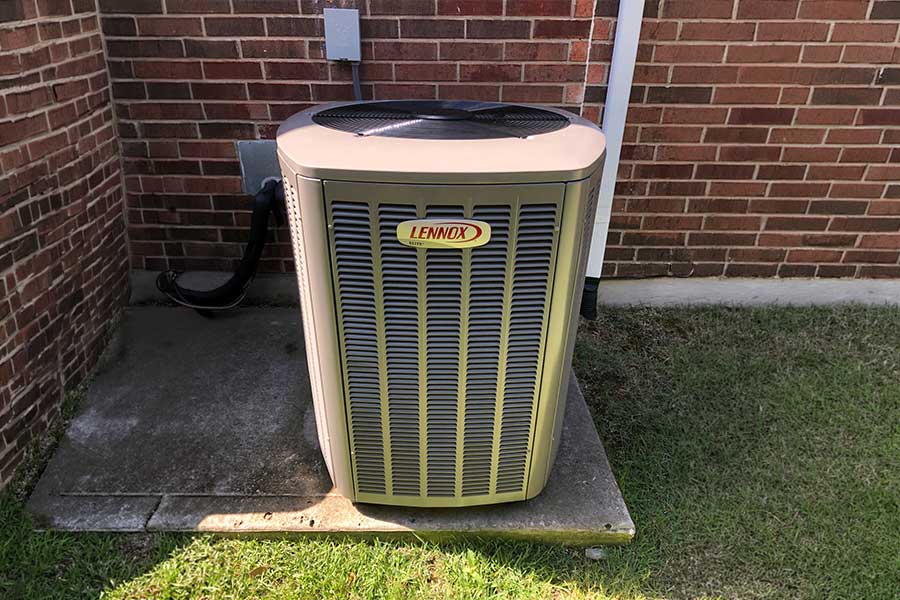
Step outside and listen to the condenser. A humming unit with a fan that will not spin, a loud buzz, or repeated clicking usually points to an electrical part on its way out. Inside, watch for ice on the refrigerant lines, water dripping from the ceiling below the attic unit, musty smells, or air from the vents that feels cool but damp.
Catching these signs early can mean a simple repair instead of a no-cooling emergency on the hottest weekend of the year.
What Causes AC Breakdowns in Dallas
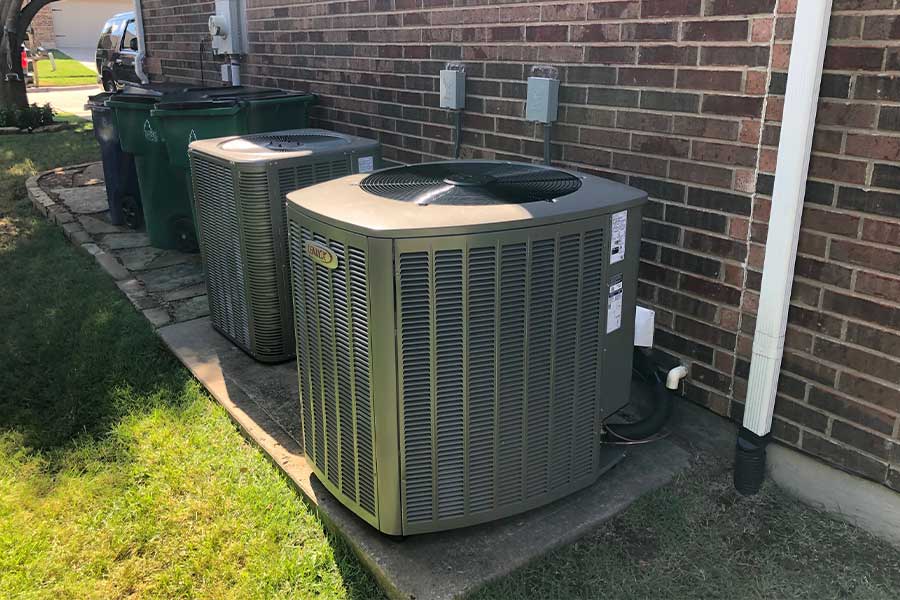
Extreme heat is the biggest stress on Dallas air conditioners. Capacitors and contactors break down faster when outdoor units bake in direct sun day after day, and long run times wear out fan motors and compressors. Attic temperatures add to the problem, drying out wiring and putting stress on the air handler and ductwork.
Weather beyond the heat plays a part too. Spring hailstorms can flatten condenser fins and restrict airflow, and summer thunderstorms with power flickers can damage electrical components. Cottonwood seeds, grass clippings, and dust clog outdoor coils, while humid stretches feed algae growth in condensate lines until they back up.
The ground matters as well. North Texas clay soil swells and shrinks with rain and drought, which can tilt condenser pads and strain refrigerant line connections over time. In older neighborhoods, undersized ductwork can also make it harder for a system to keep up.
Inside a Recent AC Repair in Oak Cliff
On a July afternoon, Maria called us from her 1940s bungalow in Oak Cliff. The air handler was running, but the air coming out of the vents was warm, and the indoor temperature was climbing fast.
Our technician went straight to the condenser in the backyard. The fan was not spinning and the unit was humming, a classic sign of a failed capacitor. He replaced the capacitor, then noticed the condenser coil was matted with cottonwood fluff and dirt, so he cleaned it to restore airflow. Before leaving, he checked the refrigerant pressures, cleared a partially clogged condensate drain line, and confirmed the system was cooling properly.
By early evening, the house was back under 80 degrees and still dropping. Maria said the system sounded quieter than it had all summer.

Why Dallas Homeowners Trust Energy Attic for AC Repair
Most AC repair calls stop at the equipment. Energy Attic looks at the attic too, because in Dallas that is where a lot of cooling efficiency is won or lost. Our experience with attic insulation helps us spot the heat gain that makes your air conditioner run longer and wear out sooner.
We explain what we find in plain language, give honest advice about repair versus replacement, and treat your home with respect from start to finish.
Call Energy Attic to schedule AC repair in Dallas and get your home comfortable again before the next heat wave.
Frequently Asked Questions
Why does my AC struggle to keep up on the hottest Dallas afternoons?
Air conditioners can only remove so much heat at once, and on extreme days a system that is dirty, low on refrigerant, or fighting a hot, poorly insulated attic will fall behind. If your home keeps losing ground every afternoon, a technician can check whether a repair or an attic improvement would help.
Why is water leaking from my ceiling near the AC?
The most common cause is a clogged condensate drain line, which lets water back up and overflow the drain pan. Turn the system off to limit damage and call for service. A working overflow switch should shut the AC down before water spills, so a leak may mean that switch needs attention too.
Can hail damage my air conditioner?
Yes. Hail can bend the thin fins on the outdoor coil, which restricts airflow and makes the system work harder. Larger hail can damage the fan or coil itself. After a strong storm, it is worth having the condenser inspected.
How often should my AC be serviced in Dallas?
Once a year is the standard recommendation, ideally in spring before the heat arrives. Because Dallas systems run so many months of the year, a yearly check helps catch weak electrical parts, dirty coils, and drain clogs before they cause a breakdown.
Should I turn my AC off when I leave for the day?
In Dallas summers, it is usually better to raise the thermostat a few degrees than to shut the system off. Letting the house heat up all day means the AC has to run for hours to recover, often during the hottest part of the afternoon.