










Contact Us
- This site is protected by reCAPTCHA
Home and Attic Insulation in Dallas, TX
In Dallas, the attic is where the battle for a comfortable home is won or lost. On a summer afternoon, the space above your ceiling can get far hotter than the air outside, and that heat keeps pushing down into your living space for hours after sunset. In winter, the same thin or settled insulation lets warmth escape just as easily when an arctic front blows through.
Energy Attic installs and replaces insulation for homes across Dallas, from older houses in East Dallas and Oak Cliff to newer construction in the northern neighborhoods. We assess what your attic has now, explain what it needs, and install insulation that keeps your home comfortable through every season.

Insulation Options for Dallas Homes
The right insulation depends on your attic’s layout, what is already there, and how your home is built. These are the options we most often recommend for Dallas homes.
- Blown-in insulation, which fills gaps around framing and works well for topping off existing attic insulation
- Batt insulation, a good fit for open framing in walls, floors over garages, and easy-to-reach attic areas
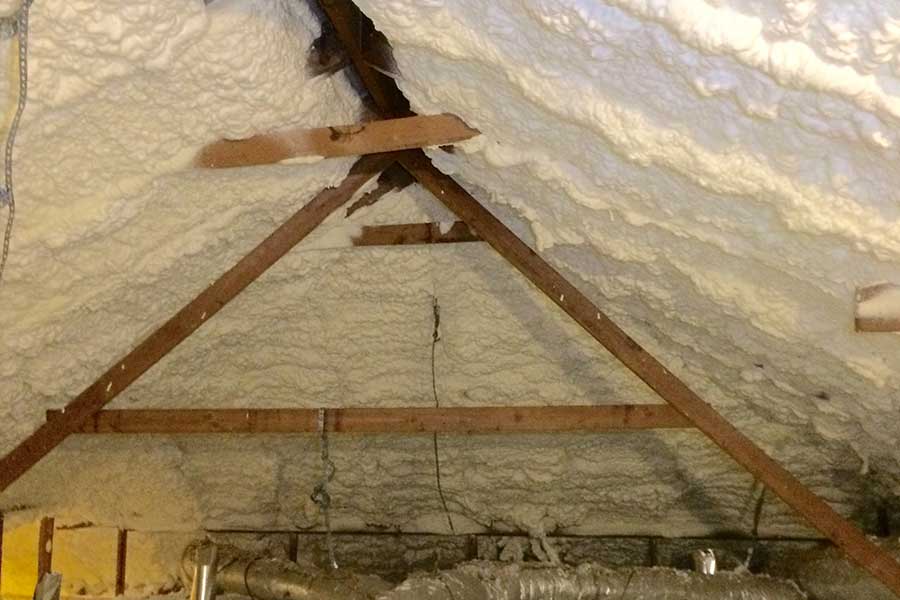
- Spray foam insulation, which seals air leaks and insulates in one step, often used on rooflines and hard-to-seal spaces
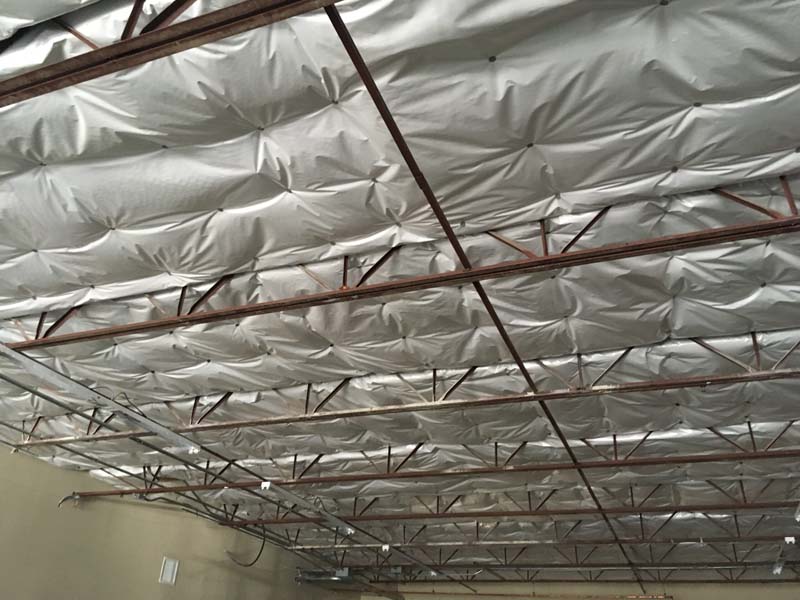
- Radiant barriers, which reflect the sun’s heat from the roof before it builds up in the attic
During your assessment, we will explain which option makes the most sense for your home and why, so you can make a confident decision.
Is Your Dallas Home Under-Insulated? Signs to Watch For
Start with your ceilings. If rooms below the attic feel noticeably warmer than the rest of the house in summer, or the ceiling itself feels warm to the touch on a hot afternoon, heat is coming through from above. In winter, the reverse happens, with chilly rooms and a heating system that runs much longer than it should.
Next, look in the attic if you can do so safely. Many Dallas homes built in the 1950s through the 1970s still have only a few inches of original insulation, and older material often settles, compresses, or gets pushed aside during HVAC or electrical work. If you can easily see the tops of the ceiling joists, there is not enough insulation. Rodent activity, water stains, or insulation that looks matted or dirty also point to a replacement.
Climbing electric bills during long Dallas summers, drafts near ceiling fixtures, and dust collecting around vents are other clues that your home is losing conditioned air through the attic.
How Better Insulation Pays Off Year-Round
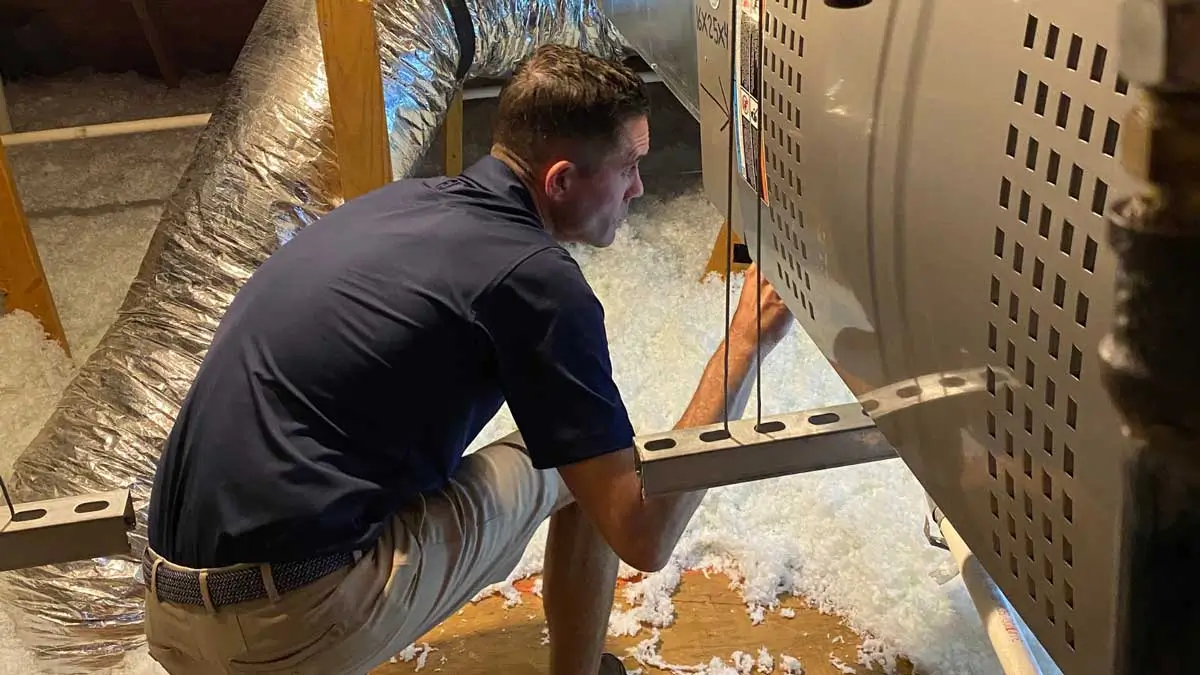
Summer is where Dallas homeowners feel the difference first. With proper insulation in place, less attic heat reaches your living space, so your air conditioner runs shorter cycles and rooms stay closer to the temperature you set. That matters even more here, since many Dallas homes have their AC equipment and ductwork in the attic, where extra heat makes the whole system work harder.
Winter brings a different benefit. When a blue norther sends temperatures plunging, good insulation holds warmth inside and helps protect water lines that run through the attic in some homes. During a hard freeze, that added protection can make a real difference.
Year-round, better insulation means steadier comfort from room to room, less strain on your heating and cooling equipment, and lower energy use. Paired with air sealing, it can also reduce the dust and outdoor allergens that drift in through gaps in the ceiling.
Inside an Attic Upgrade in Lakewood
Patricia owns a 1940s home in Lakewood, and every summer her bedrooms stayed uncomfortably warm in the evenings even though her AC was running nonstop. She called us after her electric bill climbed again in July.
Our crew inspected the attic and found a thin, uneven layer of old insulation that had been pushed aside in several spots during past repair work. We removed the dirty, compressed sections, sealed gaps around light fixtures and the attic access, and installed new blown-in insulation to a consistent depth across the entire attic.
Within a few days, Patricia noticed her bedrooms were holding temperature much better in the evenings, and the AC was cycling off on its own for the first time in years.
Why Dallas Homeowners Choose Energy Attic for Insulation
Energy Attic is built around the attic. Insulation is not an add-on service for us, it is our specialty, and our team understands how Dallas attics behave in extreme summer heat and sudden winter cold. Because we also work on heating and cooling systems, we can see how your insulation and HVAC equipment affect each other.
We start with an honest assessment, explain your options in plain language, and leave your attic clean and properly insulated.
Call Energy Attic to schedule an insulation assessment in Dallas and start feeling the difference in every room.
Frequently Asked Questions
How much attic insulation does a Dallas home need?
U.S. Department of Energy guidance for North Texas generally calls for attic insulation in the range of R-30 to R-60, depending on what is already in place. Many older Dallas homes fall well short of that. An inspection measures your current depth and shows how much to add.
Can new insulation be added on top of my old insulation?
Often, yes, as long as the existing insulation is dry, clean, and free of pests or mold. If it is damaged, contaminated, or heavily compressed, removing it first is usually the better choice.
Is a radiant barrier worth it in Dallas?
In a hot, sunny climate like ours, a radiant barrier can reduce how much heat builds up in the attic, which is especially helpful when your AC equipment and ducts are up there. It works best alongside proper insulation, not as a replacement for it.
Will better insulation help in winter too?
Yes. Insulation slows heat loss in both directions, so it keeps warmth inside during cold snaps and can help protect pipes that run through the attic in some homes.
How long does an attic insulation project take?
Many attic insulation jobs can be completed in a single day. Projects that involve removing old insulation, air sealing, or working in larger or harder-to-reach attics may take longer, and we will let you know what to expect ahead of time.